September 12, 2026
Drought Cuts Harvests in Europe and Grocery Prices Are Already Feeling the Pinch
Drought Cuts Harvests in Europe - and Grocery Prices Are Already Feeling the Pinch
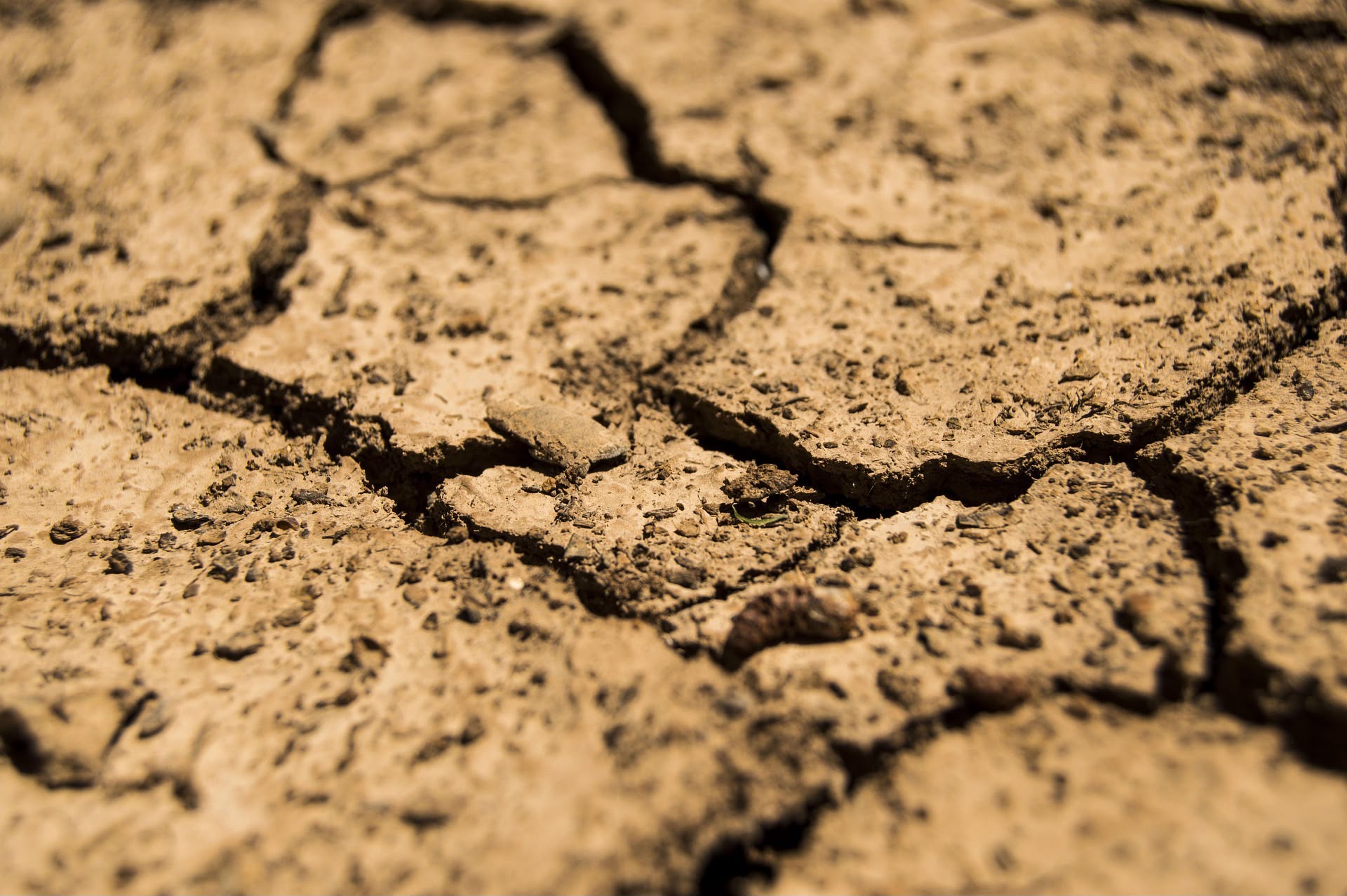
The summer of 2026 will go down in Europe not as a season of sunshine, but as a season of extreme heat and drought that damaged agriculture. Two consecutive heat waves, weeks of little or no rain and soil moisture levels that fell to critically low levels have left big stretches of the continent’s farmland in what agricultural specialists describe as one of the worst growing season crises in decades. In the maize fields of the Po Valley and the rows of sugar beet of northern France, crops that should now be harvested are instead being damaged or lost.
A Growing Season Under Siege
The European Commission’s Joint Research Center (JRC) - whose monthly MARS bulletins are the continent’s most closely watched agricultural monitoring system - issued an unusually stark warning in its latest edition, published on August 24th. Analysts had been forced to cut their yield forecasts for Europe's summer crops due to exceptionally dry, hot weather, the center said, adding that some were now projected to be as much as 14% below the five-year average.
The timing of this event is particularly damaging. The heat occurred just as summer crops were at their most vulnerable stages - flowering, fertilization, grain formation and grain filling. During these biological windows, when temperatures spike, plants abort flowers, pollen becomes sterile and kernels don’t fill properly. This damage isn't just surface-level; it directly impacts the final yield. Farmers could see their crops completely wiped out, and that’s putting it mildly, the JRC notes.
The worst affected areas lie in the continent’s agricultural heartland: France, southern Germany, northern and central Italy, Austria, Czechia, Slovakia, Hungary and western Romania. These are not fringe agricultural areas. Together they account for a large percentage of the EU’s grain, sugar, dairy and horticultural production - which is exactly why agronomists are speaking not of a local misfortune, but of a systemic shock to European agriculture.
Which crops are most affected by the European drought?
Maize: the crop that suffers most from summer's extremes
If any crop epitomizes this crisis, it is maize. Maize is very sensitive to heat stress at the time of pollination and the 2026 season presented the worst possible conditions at the exact wrong time. According to industry analysts speaking to FoodNavigator, this year's European maize harvest will be the lowest since the mid-1990s. The Guardian reports on what French farming unions have called an "unprecedented crisis", with France, traditionally the EU's biggest maize producer, expecting its maize output to be about 35% smaller than in 2025.
Losses of Wheat, Barley and Sunflower: smaller falls but little comfort
The damage is far more extensive than maize only, although losses are generally less severe. Wheat and barley yields are some 3-4% below expectations while sunflowers - a crop widely grown in Hungary, Romania, Bulgaria and France - are down by around 6-7%. In an industry that runs on razor-thin margins, low single-digit losses mean lost revenue, tighter supplies and upward pressure on prices.
Olives: Another Mediterranean victim
Production of olive oil is expected to drop by a similar 6-7%, with olive groves across Southern Europe also suffering. Olive trees are famously resilient, but a succession of extreme summers - after the serious droughts of recent years - is depleting both soil moisture reserves and the vitality of the trees, leaving less buff from one season to the next. For consumers this means further years of high olive oil prices on European shelves.
Vegetables: the quiet, heavy losses
Perhaps the least visible but most dramatic losses are happening in vegetable production where irrigation cannot fully compensate for sustained heat. The Guardian reported that growers are experiencing drops in production of 25% in courgettes, 35% in lettuce, 40% in peas and as much as 60% in broccoli. Artichoke growers are reporting 50 percent losses and total crop failure. Unlike cereal shortages that are aggregated and smoothed across a continent, vegetable losses hit specific regional supply chains immediately. Fresh produce prices respond within days, not months. A genuine vegetable crisis in parts of Europe is no longer theoretical, and supplies are already tightening in some wholesale markets.
Sugar beet: new 38-year low on the horizon
The sugar industry offers one of the most striking case studies. French sugar cooperative Tereos expects its growers' beet yields to fall by more than 20% on last season, Reuters says, a fall big enough to drive European sugar output to its lowest in 38 years. Sugar is an ingredient in thousands of processed foods, so a shortage of this magnitude does not stay contained in the sugar aisle.
Effects on livestock
Drought can affect more than just crops in agriculture. Scarcity of pasture and high-priced feed grain spill over into livestock production. Drought in Italy, which has hit around 60% of agricultural land, has led to a fall in milk production of around 20%, figures reported by The Guardian say, with obvious consequences for cheese, butter and the wider dairy industry. Spain, meanwhile, is preparing for a wine harvest 20% smaller than normal, a near-poetic illustration of just how deep the heat has sunk into even Europe’s most celebrated agricultural traditions.
How lower crop productions mean higher European food prices
The way a dry field can end up on your shopping receipt is simple: supply and demand. If the European harvest is poor, then the continent has to import more, run down stocks or accept higher prices until supply and demand re-balance. As the EU is a major global trader in wheat, maize and sugar, a poor European harvest also tightens the global balance - which is why the effects can extend beyond European wholesale markets into international commodity markets.
This pressure can already be seen in the FAO Food Price Index. Anadolu Agency’s analysis of drought’s price impact showed the index at 131.1 points in July, up 0.6% from June. That saw cereal prices increase 3.4% on average for the month, with wheat up 5.8% and maize 3.6%. For commodity markets, that is a big increase from one month to the next.
Fresh food first, processed food later
Food prices will not all be affected by climate change in the same way. Fresh fruit and vegetable prices are expected to rise first, as they move quickly from farm to shelf and cannot be stored to cushion shortfalls, Anadolu Agency reports. The most affected product categories are maize, vegetables, olives and animal products, which are exactly the crops and sectors that are recording the sharpest declines this season.
The tale of processed food is a slower one. A loaf of bread or a bag of pasta contains grain bought months in advance under contract, and manufacturers hedge or absorb price changes before passing them on. The analysis suggests the full impact on processed food prices may not be felt until early 2027. That delay should, however, should not be mistaken for protection: it is simply the lag between a failed harvest and the moment it reaches the factory gate.
A problem that adds to Rising Food Prices
For two structural reasons, this price pressure is stickier than a usual bad harvest. First, this drought comes after several years of consecutive climate extremes, so buffer stocks are already low and farmers have exhausted their financial reserves. Secondly, the input costs – energy, fertilizer, irrigation water itself – are still high so growers can't easily replant or make up their losses. And in a system with low resilience already, prices don’t just spike, they can remain high.
What this means for consumers in Europe
The practical message for shoppers is pretty clear. Fresh vegetables – especially the most battered crops like broccoli, lettuce and peas – should lead the price rises this autumn. Then dairy items, olive oil, sugar-containing products and maize-based products. Wine lovers will see smaller vintages from France, Italy and Spain, at a slightly higher price.
For policy-makers the JRC's warning is a reminder that climate adaptation in agriculture is no longer a theoretical exercise. Heat-tolerant crop varieties, expanded irrigation infrastructure, improved soil management and revised agricultural support mechanisms are moving from research papers to urgent policy questions.
As heatwaves become more frequent and more intense, the question is shifting from whether Europe’s crops can survive the climate of the future, to how quickly Europe’s food system can be reconfigured to survive it.